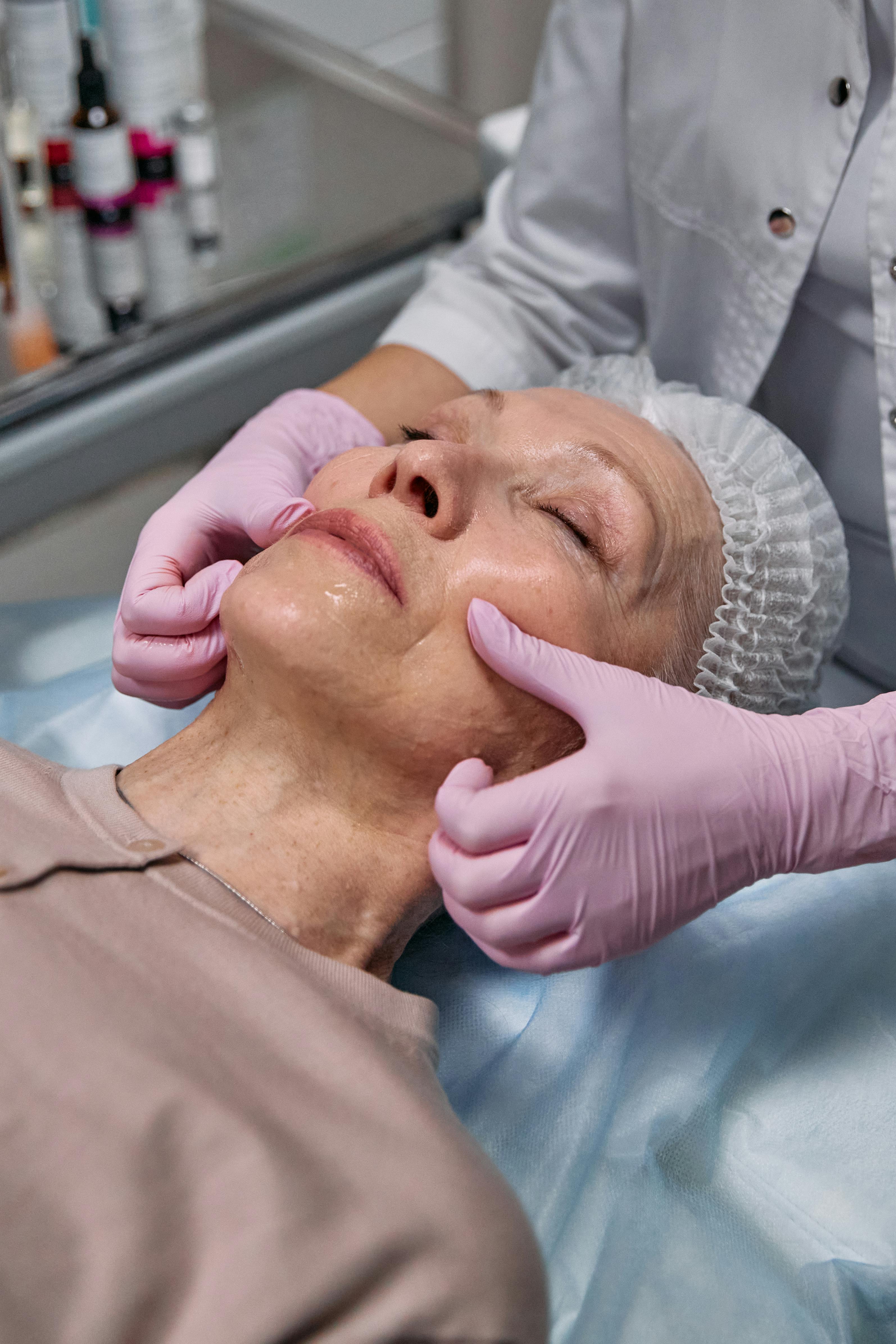
Introduction GHK-Cu, or glycyl-L-histidyl-L-lysine copper, is a tripeptide naturally present in human plasma whose concentration significantly decreases with age. This inverse relationship between its levels and aging has made it one of the most studied peptides in the field of longevity.
Mechanism of action GHK-Cu acts as a broad-spectrum gene modulator. Gene expression studies have identified that it regulates over 4,000 human genes, including genes related to collagen production, DNA repair, antioxidant response, and inflammatory regulation.
Key research areas
Skin and collagen: It is one of the most documented peptides in dermatological research. It stimulates the synthesis of collagen types I and III, elastin, and glycosaminoglycans, essential components of skin structure.
Wound healing: Multiple studies have demonstrated its ability to accelerate wound healing in both superficial and deep models.
Neuroprotection: Recent research explores its potential in protecting neurons and modulating neurotrophic factors.
Antioxidant action: The copper complex gives it direct antioxidant properties, neutralizing free radicals and reducing cellular oxidative stress.
Conclusion GHK-Cu is one of the most versatile molecules in anti-aging and regeneration research. Its safety profile and the number of available studies make it indispensable in any serious cellular research protocol.
Share:
BPC-157: A Comprehensive Guide to the Most Studied Recovery Peptide