


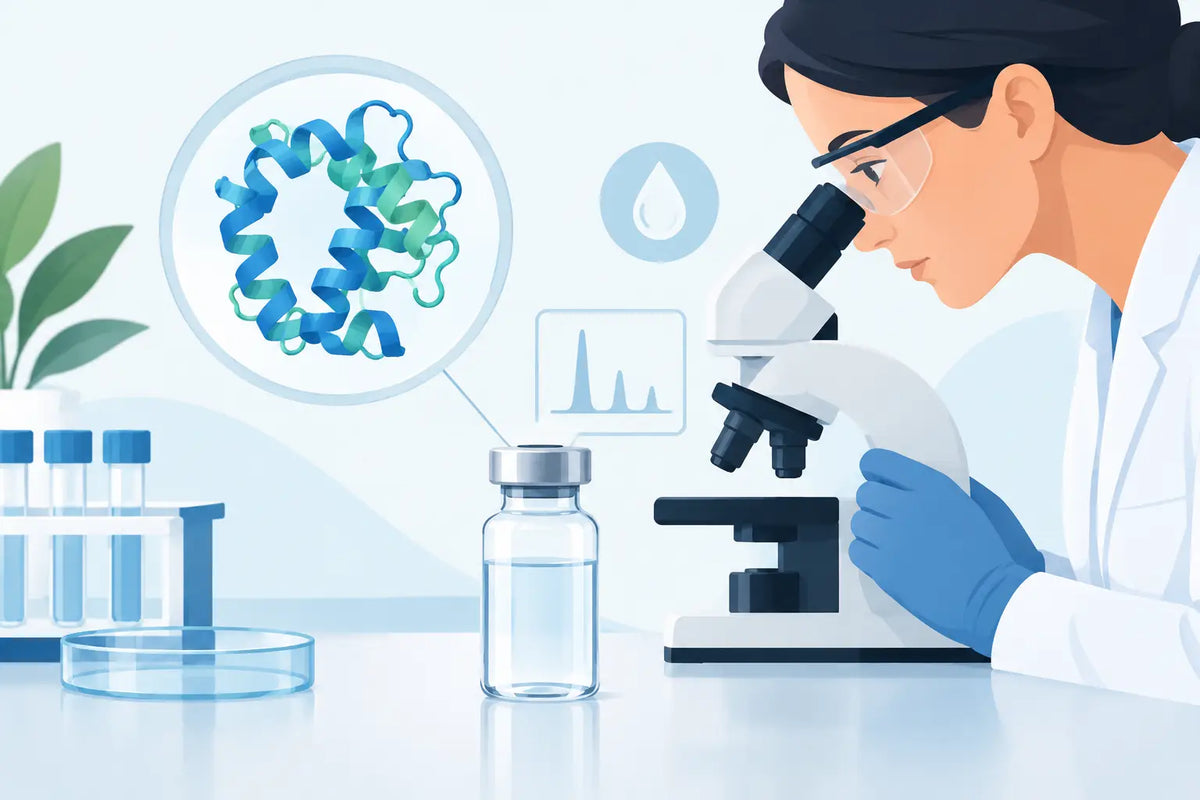
Introduction BPC-157, or Body Protection Compound 157, is a pentadecapeptide derived from a protein found in human gastric juice. With over two decades of accumulated research, it is one of the most scientifically supported peptides in the field of tissue recovery.
Mechanism of Action Its primary action focuses on promoting angiogenesis, the formation of new blood vessels, which accelerates the delivery of nutrients and reparative cells to damaged tissues. It also modulates nitric oxide production and acts on dopamine and serotonin receptors.
Areas of Research Studies in animal models have explored its impact on tendons and ligaments, gastrointestinal mucosa, muscle tissue, central nervous system, and bone. The results consistently show accelerated recovery times and reduction of inflammatory markers.
What Differentiates BPC-157 Unlike other peptides, BPC-157 shows stability in both systemic and local administration. Its tolerability profile in preclinical studies is exceptionally clean, with no significant toxicity reported in the studied ranges.
Conclusion For researchers interested in tissue recovery, inflammation, or gastrointestinal health, BPC-157 is one of the most documented and consistent molecules available today.
Share:
GHK-Cu: The Copper Peptide and its Role in Cell Regeneration and Anti-Aging
Retatrutide: The Triple-Agonist Peptide Redefining Obesity Research